5 Signs Your Car Battery Is Dying in Ottumwa, IA
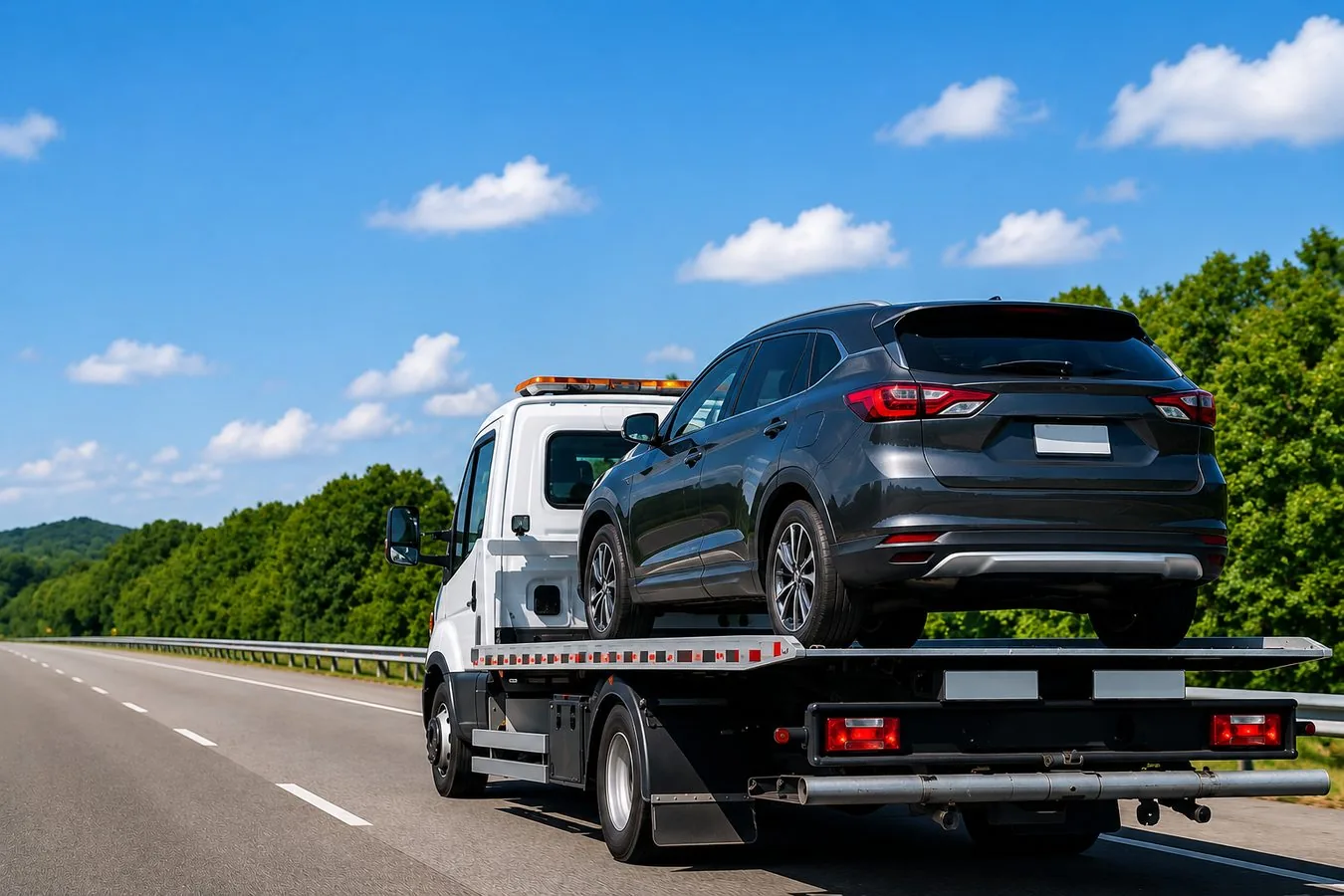
A dead battery almost never picks a convenient moment. It waits until you are in a grocery store parking lot on Main Street, running late on your way up US-63, or sitting in a driveway in Agency on the coldest morning of the year. The good news is that a battery rarely fails without warning. It usually gives you several clear signals in the days or weeks before it quits for good — if you know what to watch for.
At Ottumwa Towing, we run jump starts and battery tows across Ottumwa, Eddyville, Oskaloosa, Fairfield, Albia, and the rest of Wapello County every single week. We see the same warning signs over and over, and we hear the same regret from drivers: "It was acting funny for a while, I just never got it checked." This guide walks through the five most common signs your car battery is dying, why our Iowa climate is so tough on batteries, and exactly what to do when yours finally gives out.
How a Car Battery Actually Fails
Your battery has one main job: deliver a big burst of power to start the engine, then hand off the work to the alternator once you are running. As a battery ages, the lead plates inside it corrode and the acid weakens, so it holds less charge and delivers less cranking power. Heat speeds up that internal breakdown, and cold makes the weakened battery struggle to produce enough amps to turn the engine over.
That is why a battery can seem fine in spring and then die in the first hard freeze — the underlying wear was already there, and the cold simply exposed it. Most batteries last three to five years, so if yours is pushing that range, treat every one of the signs below as a countdown clock, not a coincidence.
The 5 Warning Signs of a Dying Battery
1. Slow, Sluggish Engine Crank
This is the single most common early warning. When you turn the key or hit the start button, the engine turns over slowly, labors, or drags before it finally catches. Drivers often describe it as the car sounding "tired" or "lazy." A healthy battery cranks the engine briskly and evenly. If yours hesitates — especially first thing in the morning after sitting overnight — the battery is losing its ability to deliver a strong burst of current. Do not ignore it, because the gap between "slow start" and "no start" can be a single cold night.
2. Clicking Instead of Starting
A rapid clicking sound when you try to start, with no engine turnover, points to a battery that cannot supply enough amperage to engage the starter. Sometimes you will get a single loud click, sometimes a machine-gun rattle. Either way, the starter solenoid is trying to work but the battery is not backing it up. This is one step past a slow crank and usually means you are already stranded. If you want a deeper breakdown of that exact symptom, see our guide linked below on why a car clicks and will not start.
3. Dim Headlights and Flickering Dashboard Lights
Your battery does more than start the car — it stabilizes voltage for everything electrical. When it is failing, you may notice headlights that look noticeably dimmer at idle and brighten when you rev the engine, interior lights that flicker, or a dashboard that dims when you use the power windows. If your lights seem weak pulling out of a driveway in Ottumwa at night, that is your electrical system telling you the battery is running on fumes.
4. Electrical Gremlins and Slow Accessories
Power windows that crawl, a radio that resets, a touchscreen that reboots, or warning lights that flash on for no reason are all classic signs of a battery that can no longer hold steady voltage. Modern vehicles are packed with electronics, and they are the first things to act strange when battery power dips. A dashboard battery or charging-system light is the most direct warning of all — if it comes on, get the battery and alternator tested right away.
5. A Swollen Case or Rotten-Egg Smell
Pop the hood and look at the battery itself. A case that looks puffed or swollen means heat has damaged it internally — common after an Iowa summer. A sulfur or rotten-egg odor means the battery is leaking gas and is on the edge of failure. Both are serious. A battery in this condition should be replaced, not just recharged, and you should avoid jump-starting a visibly bulging or leaking battery.
Why Ottumwa's Weather Is So Hard on Batteries
Southeast Iowa gives batteries a brutal one-two punch. Summer heat along US-34 and the Des Moines River valley bakes the battery under the hood and accelerates the internal corrosion that kills it. Then winter arrives, and a cold engine needs far more cranking power at the exact moment a heat-worn battery can deliver the least. According to AAA, a car battery can lose a significant share of its cranking strength once temperatures drop below freezing — which is why so many Ottumwa no-starts cluster on the first genuinely cold mornings.
Short trips make it worse. If most of your driving is a few minutes around town — to a job off IA-149, school drop-off, or a quick run across Ottumwa — the alternator never fully recharges the battery between starts. Over months, that slow drain leaves you with a chronically undercharged battery that fails early. If you drive short distances and your battery is over three years old, get it load-tested before winter rather than after you are stranded.
What to Do When Your Battery Dies in Ottumwa
If your car will not start, stay calm and work through this quickly:
- Confirm it is the battery. Dim or dead dash lights, clicking, and no crank all point to the battery. If everything is totally dead — no lights, no click — it is almost certainly the battery or a connection.
- Check the terminals. If it is safe to open the hood, look for loose or heavily corroded battery terminals. A loose clamp can mimic a dead battery. Do not touch a swollen or leaking battery.
- Get a safe jump start. A correct jump can get you running, but a wrong one can damage sensitive electronics. If you are not confident, let a pro handle it.
- Know when to tow. If the battery is swollen, leaking, or the car will not hold a charge after a jump, it needs a flatbed or wheel-lift tow to a shop rather than a risky drive.
Wherever you are — a parking lot in Ottumwa, the shoulder of US-63, or a driveway out in Bloomfield or Chillicothe — Ottumwa Towing runs 24/7 jump starts and battery tows. We are licensed and insured, our trucks are DOT compliant, and our drivers show up with the right equipment to get you moving without frying your car's electronics.
Jump Start vs. Battery Tow: Which Do You Need?
A jump start is the right call when the battery is simply drained — you left the lights on, a door was ajar overnight, or the battery is weak but not damaged. Once the engine is running, drive for at least 20 to 30 minutes or head straight to a shop to have a new battery installed. A jump is a rescue, not a repair; a truly worn-out battery will die again as soon as you shut off the engine.
A battery tow makes more sense when the battery is visibly swollen or leaking, when the car will not stay running after a jump (which can also point to a failing alternator), or when you would rather have it taken directly to your mechanic. In those cases we load the vehicle on a flatbed — or use wheel-lift or winch-out recovery if it is parked somewhere tight — and deliver it safely to the shop of your choice anywhere in Ottumwa or Wapello County. Curious what that costs? Our towing cost guide below breaks down local rates so there are no surprises.
Dead Battery? We Come to You 24/7
Jump starts, battery swaps, and flatbed tows anywhere in Ottumwa and Wapello County. Fast, licensed, and insured — day or night.
Call (615) 241-0232Frequently Asked Questions
How long does a car battery last in Ottumwa, IA?
Most car batteries last three to five years, but Iowa's hot summers and freezing winters shorten that lifespan. If your battery is more than three years old and you are seeing slow cranking or dim lights, have it load-tested. If you get stranded, Ottumwa Towing can jump start you or tow you to a shop 24/7 at (615) 241-0232.
Can I still drive with a dying battery?
You may be able to drive for a short time, but it is risky. A weak battery can leave you stranded the next time you shut the engine off, and it forces your alternator to overwork. If your car barely starts, drive straight to a shop or call for a jump start. If it will not start at all, a flatbed tow to a mechanic in Ottumwa or Wapello County is the safe choice.
When did you last have your battery tested — and is yours already past the three-year mark?